



Direct Pulp Capping - TheraCal LC
Direct pulp capping is a procedure in which the exposed vital pulp is treated with a therapeutic material, followed by a base and restoration, to promote healing and maintain pulp vitality.
BISCO Recommends
TheraCal LC is a light-cured resin-modified calcium silicate liner designed to be placed directly on pulpal exposures, as it provides an alkaline environment that promotes pulp vitality and healing.1,2
See below for the Step-by-Step technique.

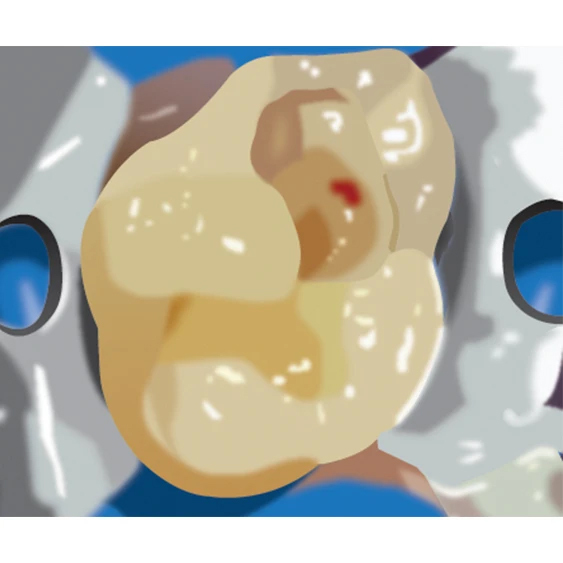
STEP 1
Prep
Under rubber dam isolation, complete cavity preparation.
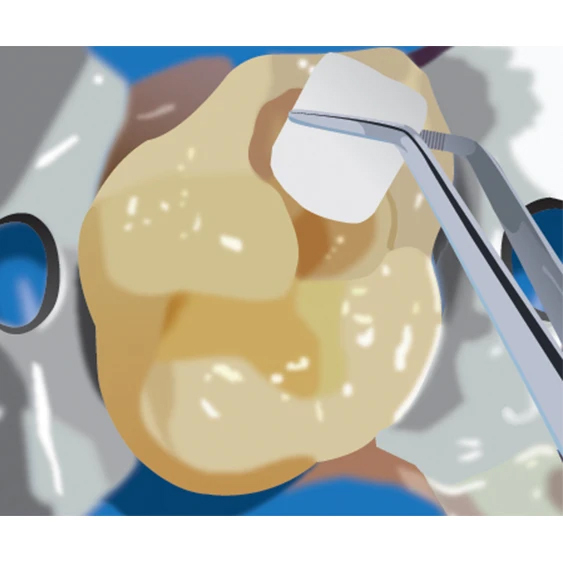
STEP 2
Achieve hemostasis
Achieve hemostasis. Leave dentin visibly moist.
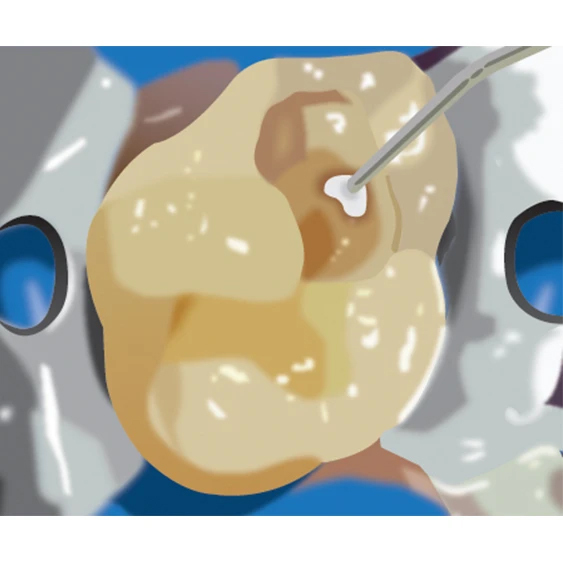
STEP 3
Apply
Apply TheraCal LC directly to the exposed pulp. Layer is not to exceed 1 mm in depth. Cover all the exposed areas and extend TheraCal LC at least 1 mm onto sound dentin surrounding the exposure.
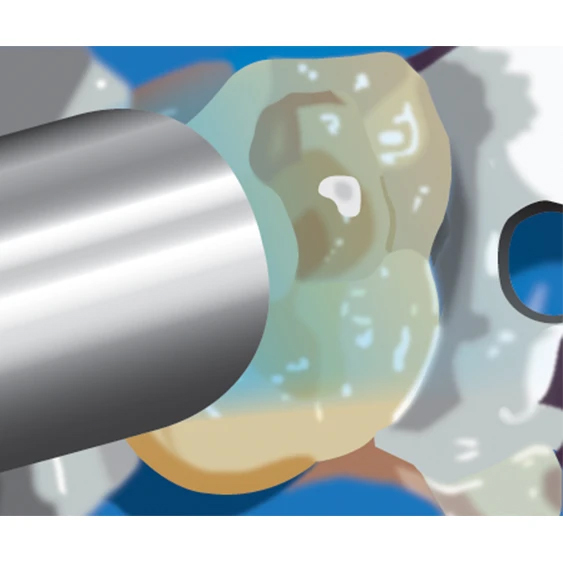
STEP 4
Light cure
Light cure for 20 seconds. Place desired adhesive, base, and/or restoration following manufacturer’s directions. Continue restoring tooth.

1. ADA definitions for direct and indirect pulp capping at: www.ada.org/en/publications/cdt/glossary-of-dental-clinical-and-administrative-ter
2. Okabe T, Sakamoto M, Takeuchi H, Matsushima K (2006) Effects of pH on mineralization ability of human dental pulp cells. Journal of Endodontics 32, 198-201.