




Composite Polishability That Saves Chair Time and Improves Outcomes
When a composite is difficult to finish or requires multiple polishing steps just to achieve a smooth, glossy surface, chair time adds up quickly. What should be a predictable final step can turn into unnecessary refinement, second-guessing, and lost efficiency.
And polishability isn’t just about time. How easily a composite finishes directly affects how a restoration looks, feels, and performs over time. Materials that resist polishing or leave a rough surface can stain more easily, lose gloss, and become noticeable to patients at recall—even when the restoration was placed correctly.
Why Polishability Is Often Overlooked
Most composites today claim good polishability. The difference shows up chairside.
Some materials look acceptable immediately after placement but are difficult to refine. Others polish well initially but lose gloss quickly due to surface wear. Clinicians are left compensating—adding steps, switching polishing systems, or accepting results that are “good enough” rather than predictable.
That’s why polishability isn’t just about achieving shine. It’s about how quickly you get there, how consistently it happens, and how well that finish holds up over time.
How Does Filler Technology Influence Dental Composite Polishability?
Polishability is largely determined by filler technology and how the composite responds during finishing and polishing.
Most modern composites use a combination of:
- Nano-fillers, which support smoother surfaces and higher initial gloss
- Micro-fillers, which contribute to strength, durability, and wear resistance
The challenge is balance. Too much emphasis on one filler type can make a composite either easy to polish but less durable—or strong, but difficult to finish smoothly. When that balance is off, clinicians feel it immediately during the final steps of placement.
When Quantium Dental Composite Works Best and When It Doesn’t
Quantium was developed with polishability as a priority, using a balanced blend of nano- and micro-fillers to support a smooth, high-gloss finish without sacrificing physical performance.
Clinicians often choose materials like this when they want:
- Fewer polishing steps
- Consistent surface smoothness
- Predictable results across different types of restorations
That said, clinicians who rely heavily on highly specialized polishing systems or who prioritize ultra-high gloss for select anterior cases may prefer materials designed specifically for that niche. Quantium is intended for everyday restorative dentistry—where efficiency, consistency, and durability matter just as much as appearance.
Why Easy Polishing Matters Clinically
A smooth, well-polished surface affects more than esthetics.
In general, restorations with smoother finishes may:
- Feel more comfortable to patients
- Be less prone to surface staining over time
- Support easier hygiene around the restoration
- Maintain a natural-looking gloss longer
From a workflow standpoint, composites that polish quickly and predictably help streamline appointments. Less time refining the surface means fewer adjustments, smoother handoffs, and a more controlled finish to the procedure.
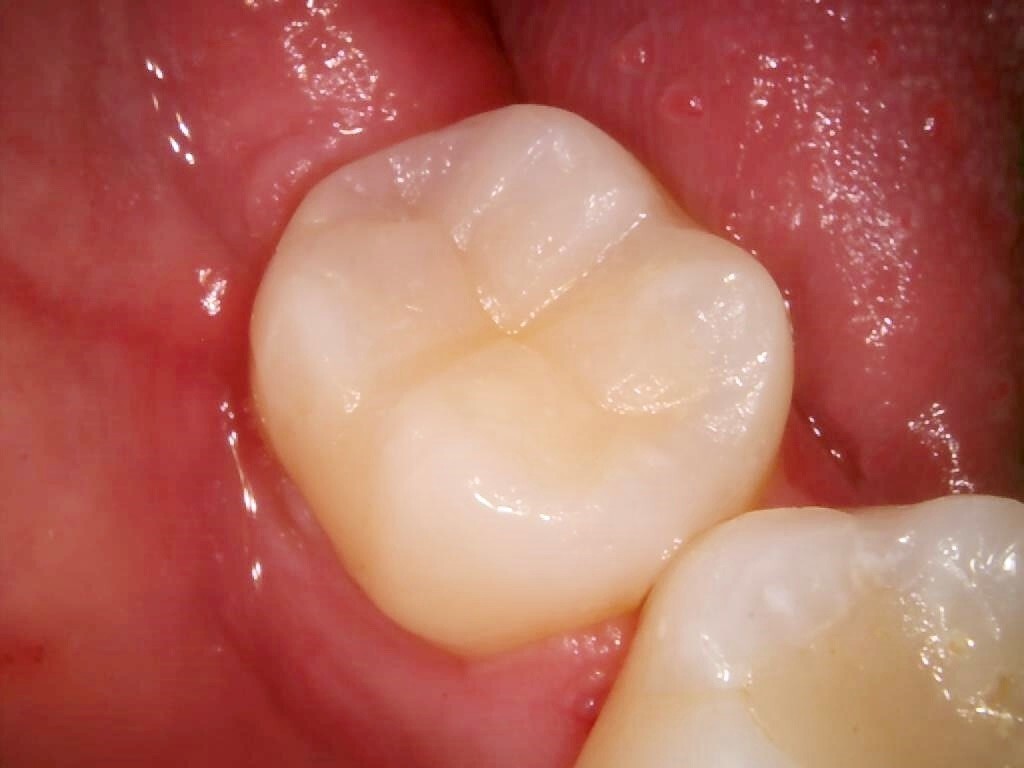
Photo courtesy of Dr. James Chae
Value Beyond the Shine
Most composites can be polished eventually. The difference is how much time, effort, and rework it takes to get there.
For many clinicians, a composite that finishes easily can reduce chair time, lower stress, and minimize post-op concerns—factors that often outweigh material cost when evaluating overall value.
Polishability may seem like a small detail, but over dozens of restorations, it adds up.
Your Work’s Lasting Impression
Patients may never understand filler load or monomer technology, but they do notice two things: how long they stayed in the chair and how smooth the restoration feels to their tongue.
Superior polishability isn’t just about the "wow" factor in a photo; it’s predictability. It’s about knowing that every restoration will look natural and remain stain-resistant long after the patient leaves your office. In daily dentistry, that final polish is the last thing you do, but it’s the first thing the patient feels.
Ask yourself: How much time are you spending on finishing and polishing each week? If you’re working harder than your material to achieve a decent shine, it may be time to switch to a composite that starts as smooth as it finishes.