












Instructions

SDS

TheraCal LC SDS US English
English
TheraCal LC SDS INT English
English
TheraCal LC SDS INT Albanian
Albanian
TheraCal LC SDS INT Bulgarian
Bulgarian
TheraCal LC SDS INT Croatian
Croatian
TheraCal LC SDS INT Czech
Czech
TheraCal LC SDS INT Danish
Danish
TheraCal LC SDS INT Dutch
Dutch
TheraCal LC SDS INT Estonian
Estonian
TheraCal LC SDS INT Finnish
Finnish
TheraCal LC SDS INT French
French
TheraCal LC SDS INT German
German
TheraCal LC SDS INT Greek
Greek
TheraCal LC SDS INT Hungarian
Hungarian
TheraCal LC SDS INT Icelandic
Icelandic
TheraCal LC SDS INT Italian
Italian
TheraCal LC SDS INT Latvian
Latvian
TheraCal LC SDS INT Lithuanian
Lithuanian
TheraCal LC SDS INT Macedonian
Macedonian
TheraCal LC SDS INT Norwegian
Norwegian
TheraCal LC SDS INT Polish
Polish
TheraCal LC SDS INT Portuguese
Portuguese
TheraCal LC SDS INT Romanian
Romanian
TheraCal LC SDS INT Russian
Russian
TheraCal LC SDS INT Slovak
Slovak
TheraCal LC SDS INT Slovenian
Slovenian
TheraCal LC SDS INT Spanish
Spanish
TheraCal LC SDS INT Turkish
Turkish
TheraCal LC SDS INT Swedish
SwedishAwards
Dental Advisor Clinical Problem Solver
Dental Advisor Top Pulpal Protectant

DPS Recommended Product

Dental Advisor Editors Choice

All-Bond Universal ®
BISCO’s All-Bond Universal allows you to standardize clinical protocols for effective delivery of adhesion with a single-bottle.
All-Bond Universal ®
BISCO’s All-Bond Universal allows you to standardize clinical protocols for effective delivery of adhesion with a single-bottle.
All-Bond Universal ®
BISCO’s All-Bond Universal allows you to standardize clinical protocols for effective delivery of adhesion with a single-bottle.
All-Bond Universal ®
BISCO’s All-Bond Universal allows you to standardize clinical protocols for effective delivery of adhesion with a single-bottle.
All-Bond Universal ®
BISCO’s All-Bond Universal allows you to standardize clinical protocols for effective delivery of adhesion with a single-bottle.
All-Bond Universal ®
BISCO’s All-Bond Universal allows you to standardize clinical protocols for effective delivery of adhesion with a single-bottle.
All-Bond Universal ®
BISCO’s All-Bond Universal allows you to standardize clinical protocols for effective delivery of adhesion with a single-bottle.
What are the differences and similarities between TheraCal LC and Mineral Trioxide Aggregate (MTA) material?
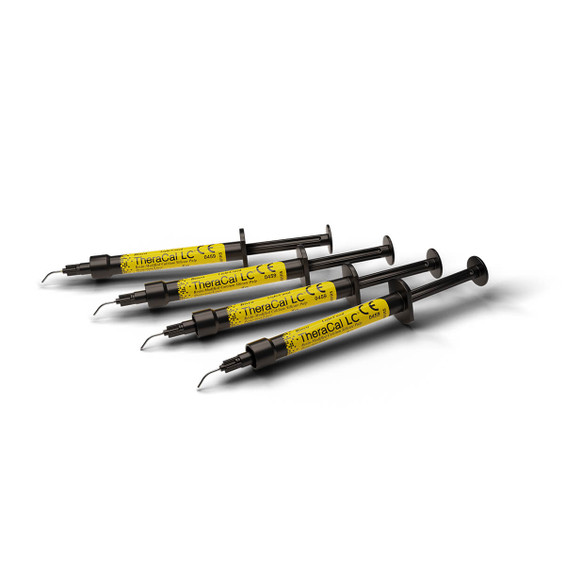
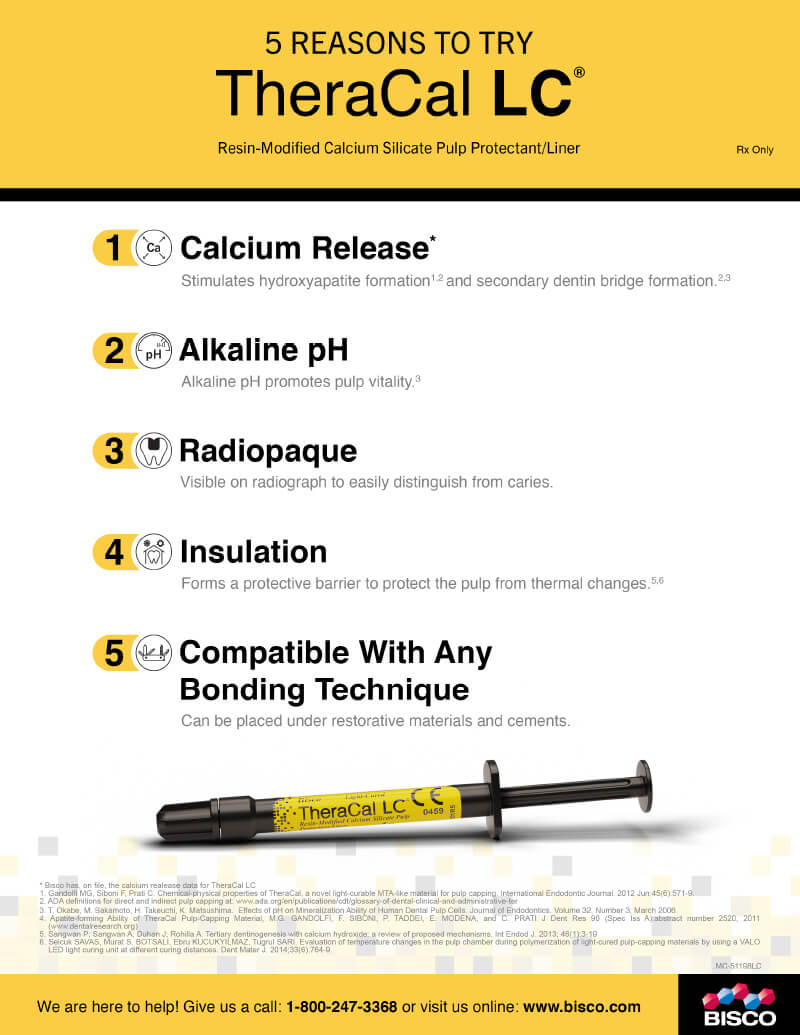
TheraCal LC is a resin-modified calcium tri-silicate that has enhanced physical properties when compared to MTA material. Essentially, the primary chemical used in both materials are similar (Portland cement) but TheraCal LC contains a patent pending hydrophilic resin, which allows for immediate light curing and facilitates calcium release. Similar to MTA material, TheraCal LC promotes healing due to the alkaline pH, and the calcium release assists in the formation of dentin bridge.
What is the difference between TheraCal LC and Calcium Hydroxide?
Calcium hydroxide is the primary chemical contained in many dentin liners and pulp capping agents. One of the known limitations of calcium hydroxide-based materials is their relatively high solubility, which leads to dissolution of the material over time.
Do I need to bond before placing TheraCal LC?
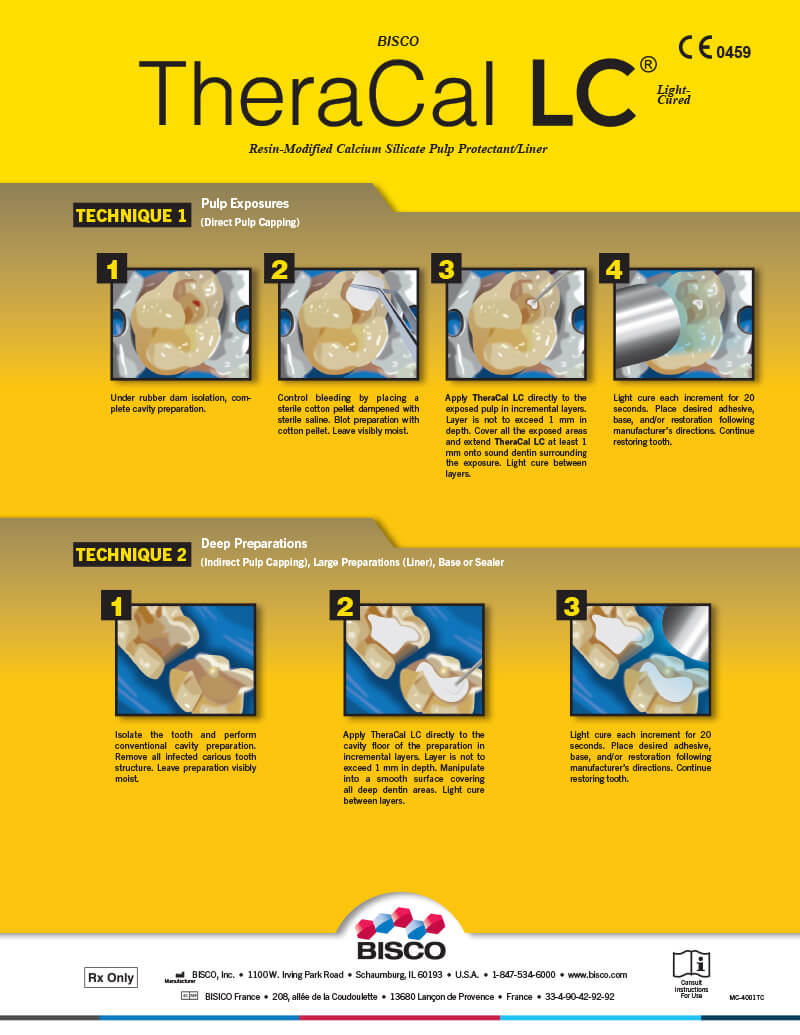
Bonding is not required or recommended before placement of TheraCal LC on dentin. TheraCal LC allows the maximum amount of calcium release.
I am using RMGI for liners and pulp-capping; why should I switch?
TheraCal LC promotes hydroxyl-apatite formation through ion/water exchange with the tooth structure. Resin-modified glass ionomers are unable to promote hydroxyl-apatite formation and have been shown to be cytotoxic to the pulpal complex. Due to the inclusion of polyacrylic acid, RMGI’s may actually inhibit apatite formation.
What can I use TheraCal LC for?
TheraCal LC can be used as a liner under all restorative materials. It can also be used as a direct or indirect pulp-capping agent.
Will TheraCal LC wash out over time?
No, TheraCal LC is virtually insoluble when compared to other traditional calcium hydroxide-based liners and pulp-capping agents.
Can TheraCal LC be used in pediatric cases for either direct or indirect pulp capping?
Yes. TheraCal LC is indicated for both direct and indirect pulp capping, and can be used safely with pediatric patients. TheraCal LC will provide pulpal protection and decrease the risk of post-operative sensitivity in cases where deep preparations are needed, or where carious or mechanical exposures occur. The ability to light-cure the material will allow for faster working time as well, which may be helpful when dealing with younger patients.
What role does TheraCal LC’s Unique Hydrophilic Matrix play in its composition?
BISCO has developed a unique hydrophilic matrix that allows for ion exchange. Previous or traditional resin matrices have been hydrophobic, but BISCO’s matrix allows for ion exchange as water flows into the matrix, reacts, and calcium hydroxide ions are released. The matrix is hydrophilic but will not dissolve over time.
 Create new list

